Back to Malmo
Gamla Staden
Cobblestone streets echoing with history. Malmö's oldest parts are filled with charming small squares, moats, and stately Danish architecture.
Malmö has a complex historical identity — and Gamla Staden is the room where that identity is most visible. Until 1658, Malmö belonged to Denmark. That is not a historical footnote, it is a fundamental reality that shaped everything: the architecture, the city plan, the naming customs, even the mentality of Skåne's population. To walk in Gamla Staden's half-timbered block structure is to understand that you are in a city with a Danish heart beneath a Swedish skin.
Malmöhus Castle — red brick and wide moats — is the clearest reminder of this history. It is the Nordic region's oldest preserved Renaissance castle, begun by Danish King Christian III in the 1530s. Its walls have witnessed banquets and sieges, royal representation and chronic moisture, the darkness of prison sentences and the illuminated modernity of museum halls. Today the castle houses a collection of museums — natural history, art history, aquarium — but it is the large courtyard that one lingers in. There is a weight to the stones that does not lend itself to description.
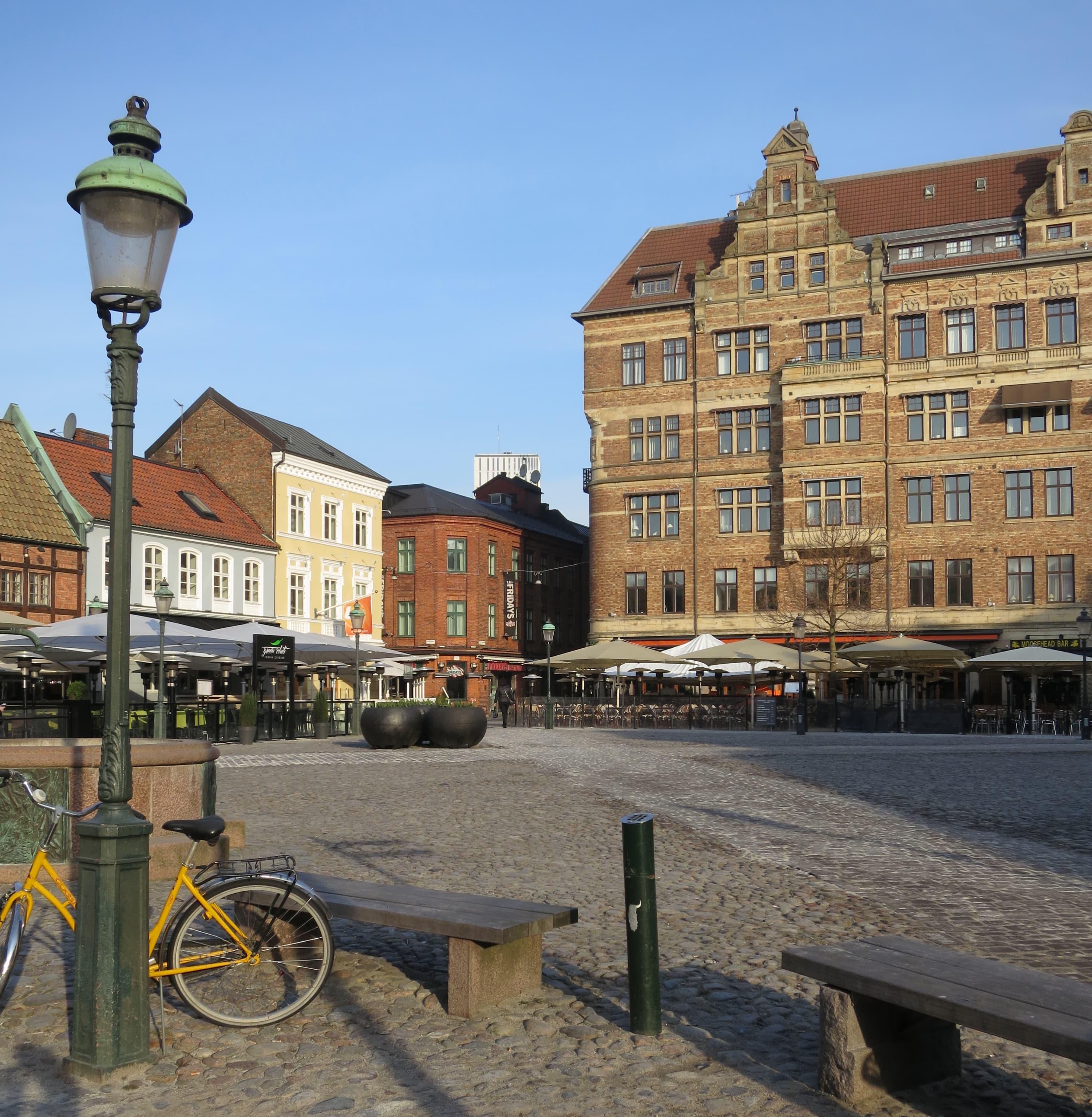
Lilla Torg, on the other hand, is Gamla Staden's most joyful place. The small square with its slanting, leaning half-timbered houses from the 15th and 16th centuries can seem almost too picturesque to be real, but it is. Every detail — the crooked window frames, the worn stones, the geometric ornaments of the stepped gables — tells of a time when Malmö was one of northern Europe's most important trading cities. And every evening, modern Malmö residents confirm this heritage in the only form they know: one sits outside, one drinks, one talks.
Read more & useful links
Explore events and experiences in Gamla Staden
See events in Malmo